


Negombo is a city defined by its deep cultural, ethnic, and religious diversity. Known as “the rainbow city,” it embodies the complex interplay of languages, religions, and traditions that have shaped its unique identity.
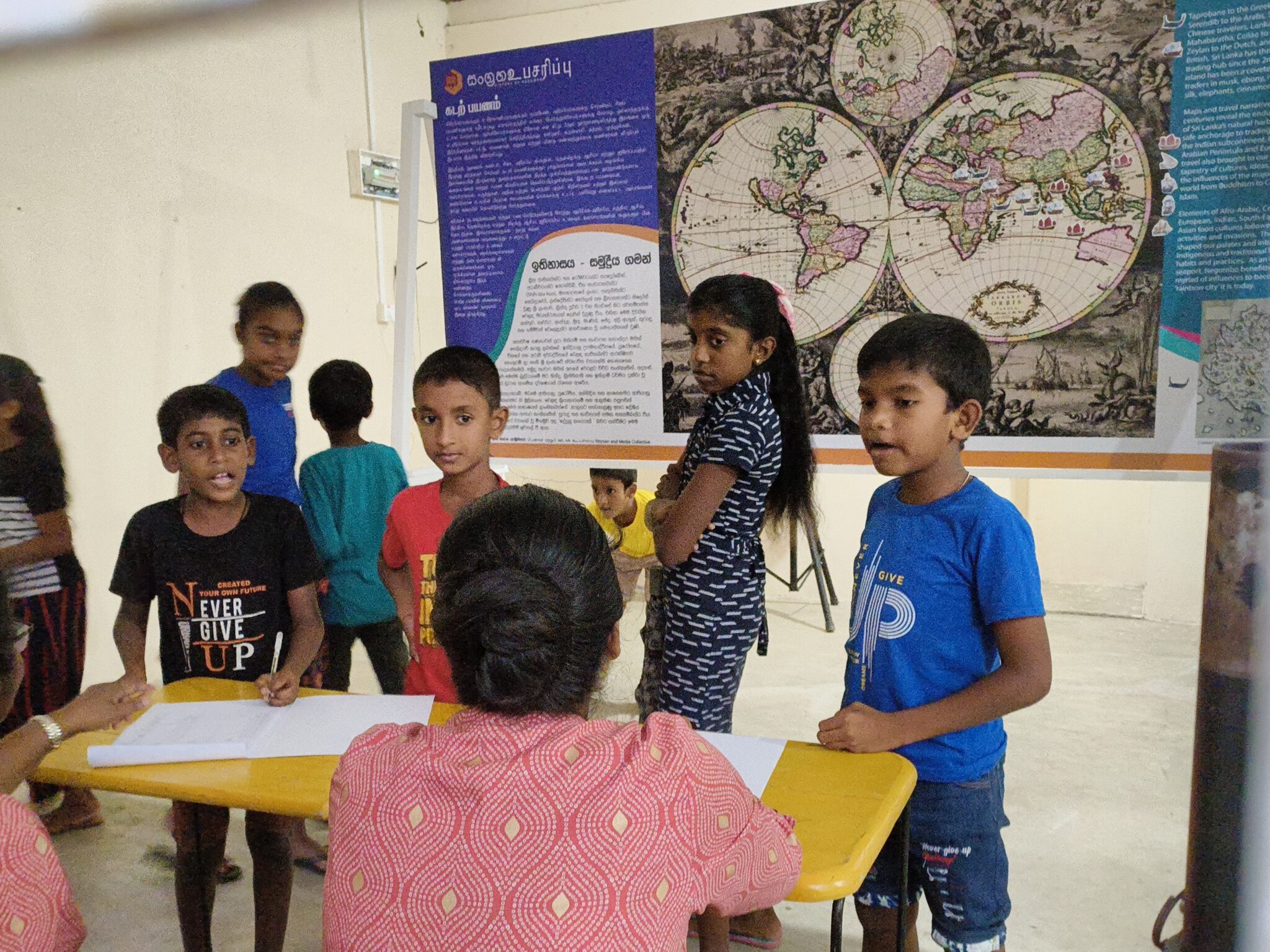
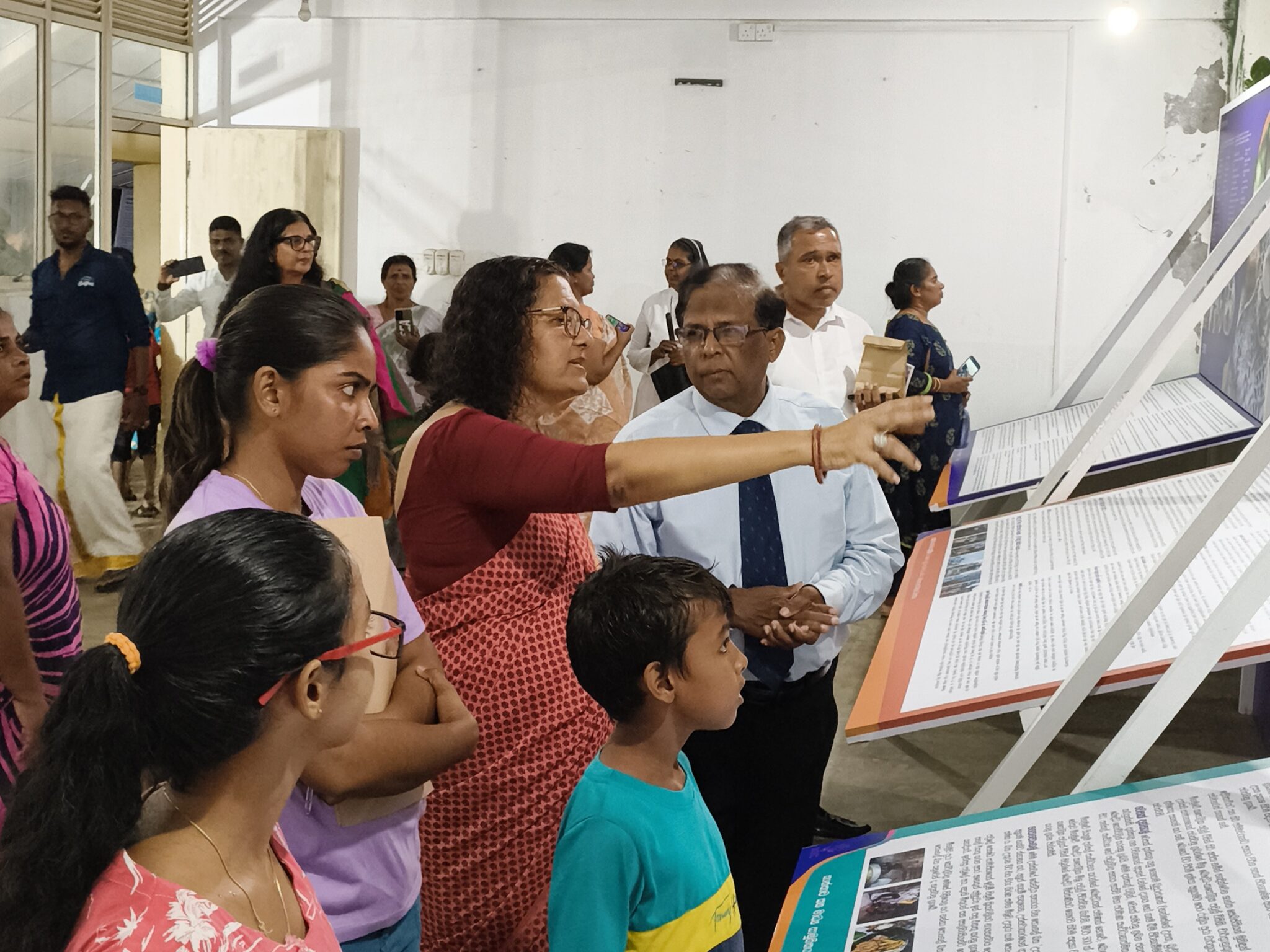
Sangraha/Ubasarippu is an exhibition held at Rukmani Devi Hall on the 29th-31st of August, that delves into this rich heritage, offering a detailed exploration of Negombo’s history and the enduring spirit of coexistence that characterizes its community. This exhibition presents Negombo as a model of resilience, illustrating how its people have navigated a backdrop of ethnic and religious tensions, conflicts, and violence that have marked Sri Lanka’s history. Through a careful curation of historical narratives and contemporary experiences, Sangraha/Ubasarippu highlights the strength, hospitality, and deep respect for diversity that are the cornerstones of Negombo’s ethos.
Visitors were invited to engage with the legacy of Negombo, understanding it as more than just a collection of cultural practices but as a living example of how diverse communities can coexist peacefully. The exhibition also features the city’s renowned culinary traditions, symbolizing the fusion of different cultures and the shared values of the community.
Sangraha/Ubasarippu offered a reflective journey into the life of Negombo, providing insights into the city’s capacity to foster harmony amidst diversity and serving as a testament to the universal values of tolerance and mutual respect.
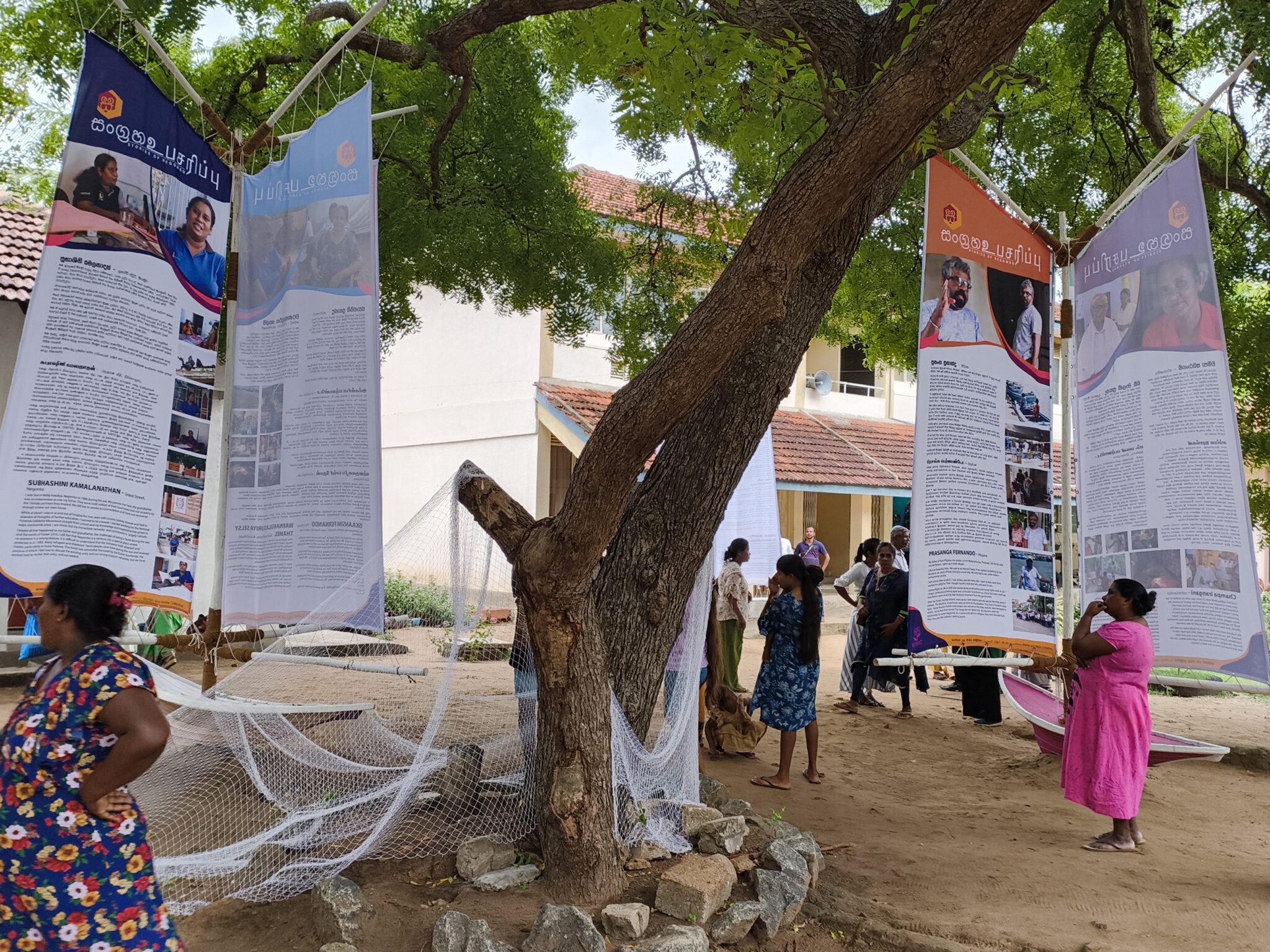
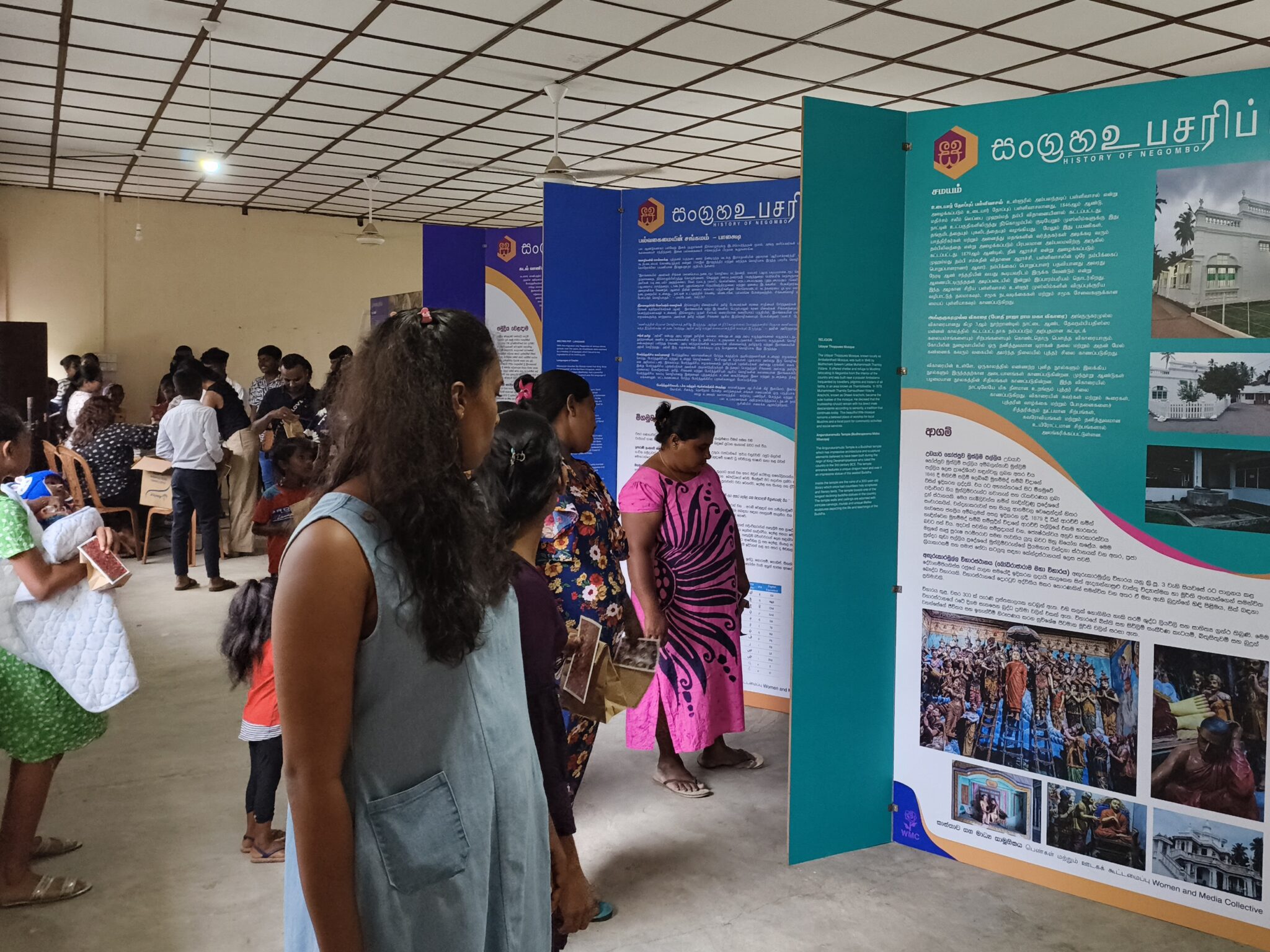
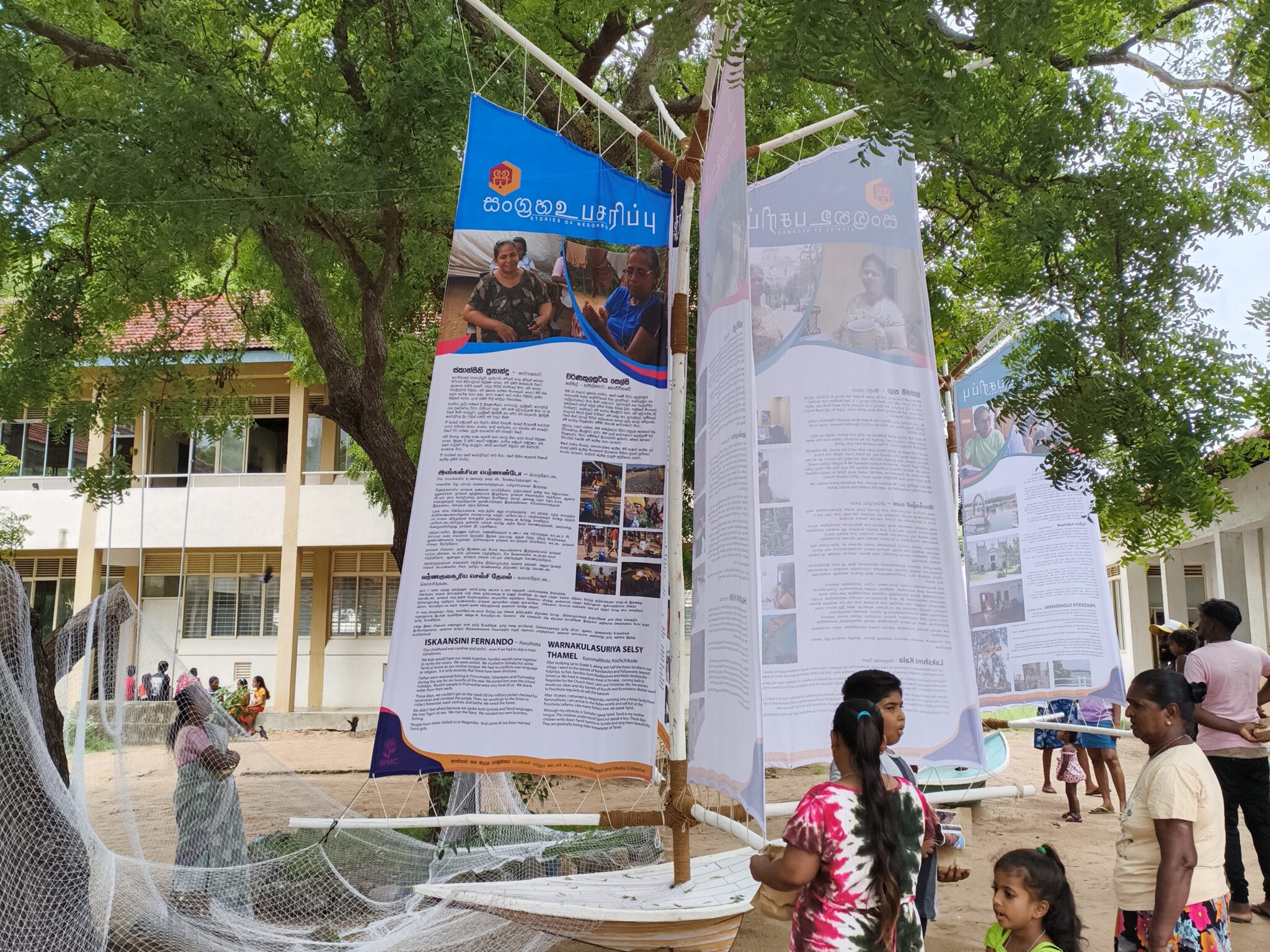
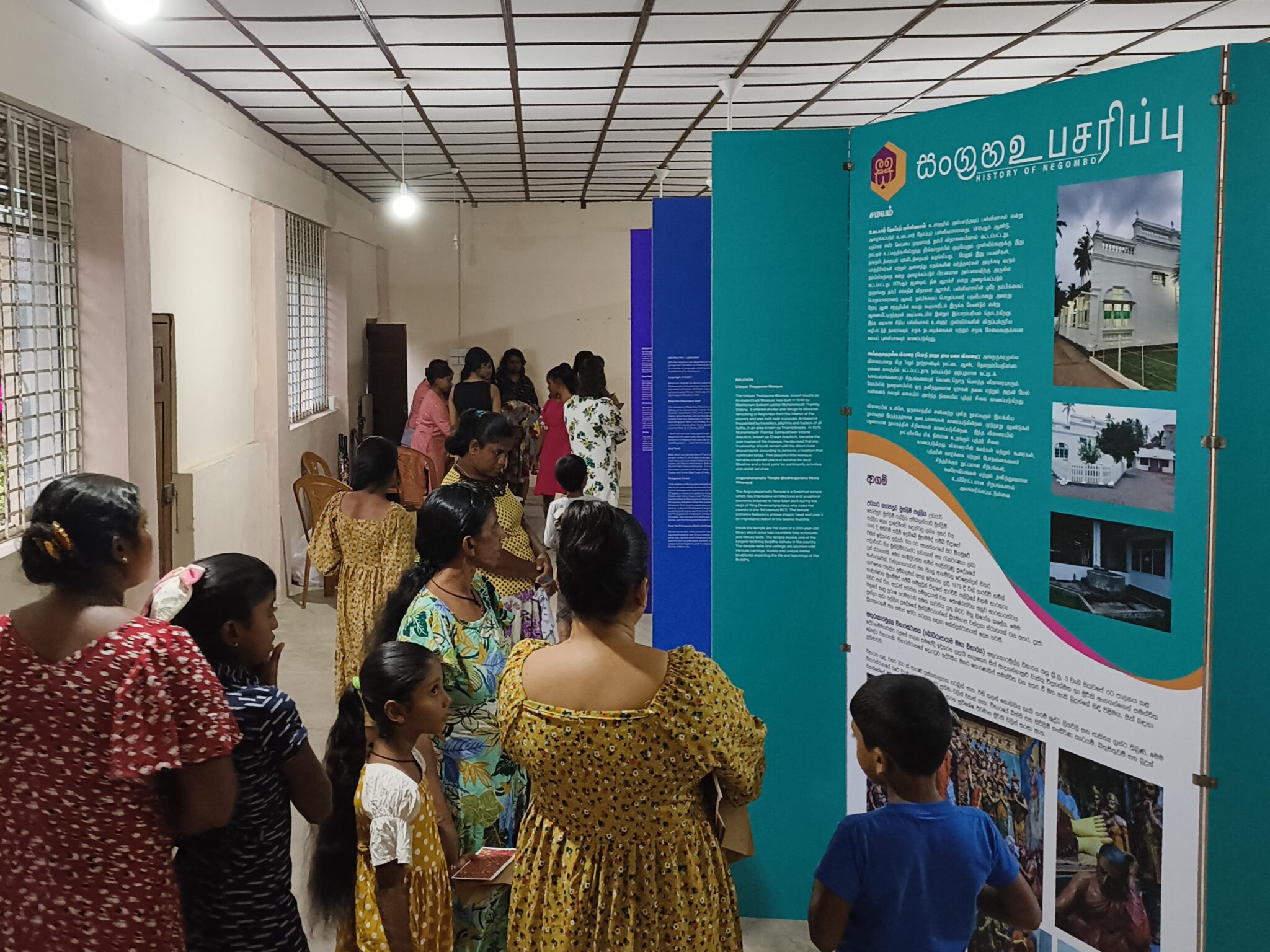
The research and data collection for this project primarily covers academic research but also encompasses a range of other sources, ministry and UN publications, blogs written by academic researchers, and even oral histories. The diverse range of sources utilized in this project stems from the limited availability of academic scholarship on certain aspects of the material. This necessity, however, provided an opportunity to incorporate a broader spectrum of information – sources that are often excluded from traditional academic discourse, enriching the research with varied perspectives and insights.
The literature review below explores the history of various communities, tracing their origins from early settlements through migrations in the early Common Era, colonial encounters, and post-independence migration patterns. It also examines the oceanic trade, the evolving religious landscape from historical to contemporary contexts, the significance of the Negombo Fort and canal, and the role of as a cultural bridge.
Read the full literature review here: