Women’s economic rights has been a focus area of WMC from inception. We have recognised the economic contributions of women in the national economy through their employment in agriculture, the plantation sector, the apparel industry and in overseas employment migration. We have built and engaged with extensive networks of organisations that work in and on these fields, researched and published on the rights and struggles of women in the economic sphere.
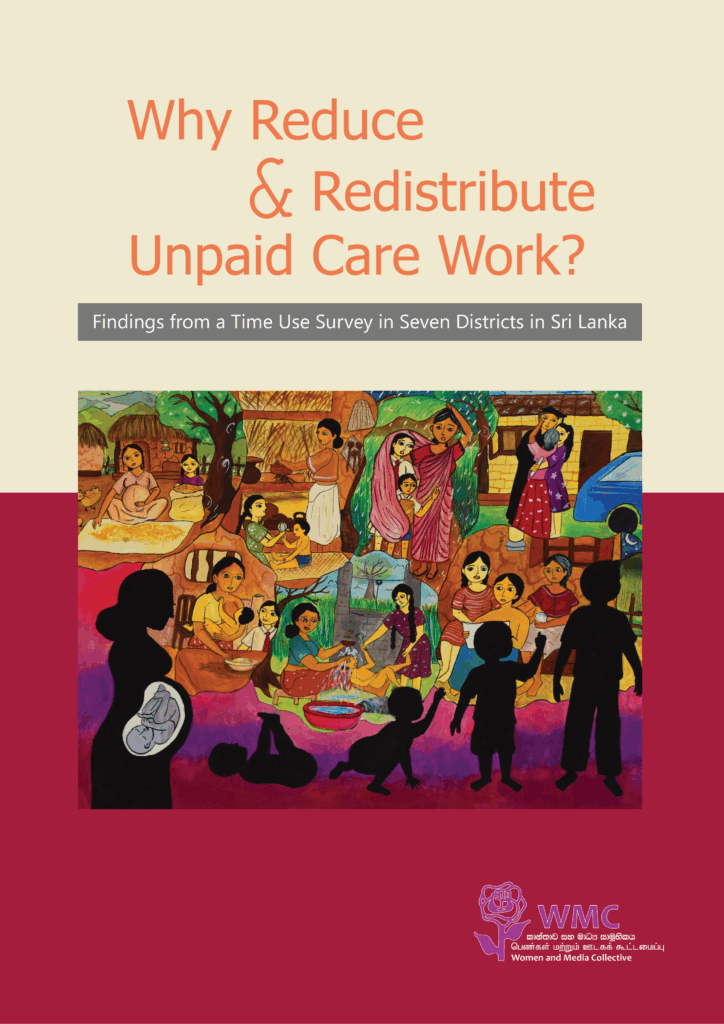
Unpaid care work is increasingly becoming a focus of global discourse around gender equality, socio-economic development, and national policy formulation. The Sustainable Development Goals agreed on by leaders across the world in 2015 have gone the furthest to include unpaid care work in Goal 5, the stand-alone goal on gender equality. Yet, Sri Lanka remains slow in the recognition and uptake of these issues and there is still much confusion among policymakers, researchers, and activists in the country as to what unpaid care work is and why it should be an issue that should be addressed at the national level.
WMC embarked on the research study on Recognizing, Reducing and Redistributing of Unpaid Care Work in Sri Lanka from 2017 with the financial support from the Ford Foundation in six districts in Sri Lanka. This pioneering work in Sri Lanka had two objectives: to assess through a Time Use Survey the time that is dedicated to activities that are carried out for the well-being of household members and, attempt to input an economic value to the time that is expended on these household unpaid care activities.
Reducing women’s share of unpaid care work would allow their increased participation in the labour force, improve access to decent work, and enable greater economic stability for women and their families. It would reduce the risk of women falling into poverty, reduce gender inequalities in labour force participation, and reduce women’s economic dependency. It would strengthen women’s options to decide for themselves how best to use their time for the betterment of their lives.
Following the initial research and advocacy to recognise unpaid care work, WMC embarked on a three (03) year project as the implementing partner of the Asia Foundation project, supported by Global Affairs Canada, on the CARE Project: Addressing Unpaid Care Work in Sri Lanka..
This project aims to strengthen both the supply and demand sides of governance related to unpaid care work in Sri Lanka. The project expected to enhance both policy frameworks and community action to ensure fairer distribution of care responsibilities.
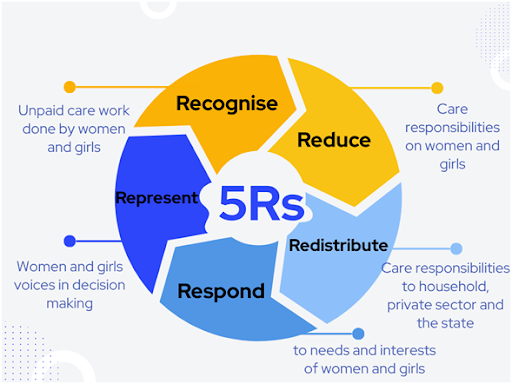
Women in Sri Lanka shoulder the majority of unpaid care work, limiting their opportunities to participate in the workforce and decision-making spaces. Existing policies pay little attention to this gendered division of labour. The CARE Project works to recognise, reduce, redistribute, represent, and respond (5Rs) to unpaid care work, challenging traditional gender roles and social norms.
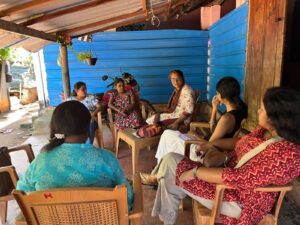
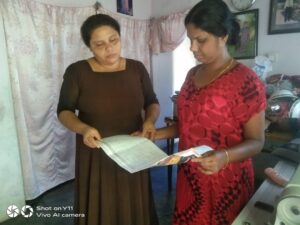
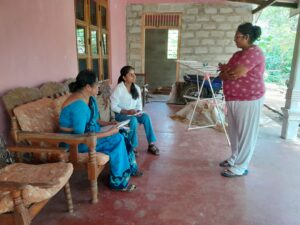
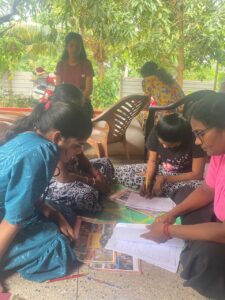
The project which began in August 2024 will be implemented until December 2027 with
organisations across seven districts:
The project involves a broad network of actors, including women and men, boys and girls, community leaders, government representatives, the private sector, trade unions, and media.
By highlighting and addressing the unequal distribution of unpaid care work, the CARE Project empowers communities to value care work, reduce women’s disproportionate responsibilities, and improve access to quality care services.
The project follows an ecological model, addressing unpaid care work at multiple levels: individual, household, community, and institutional.